Spinal Decompression Therapy
Agonising lower back or neck pain that's making you think twice before bending? Pain shooting down your leg or arm? If you've tried chiropractic, physio, osteo and massage without lasting relief, non-surgical spinal decompression may be for you.
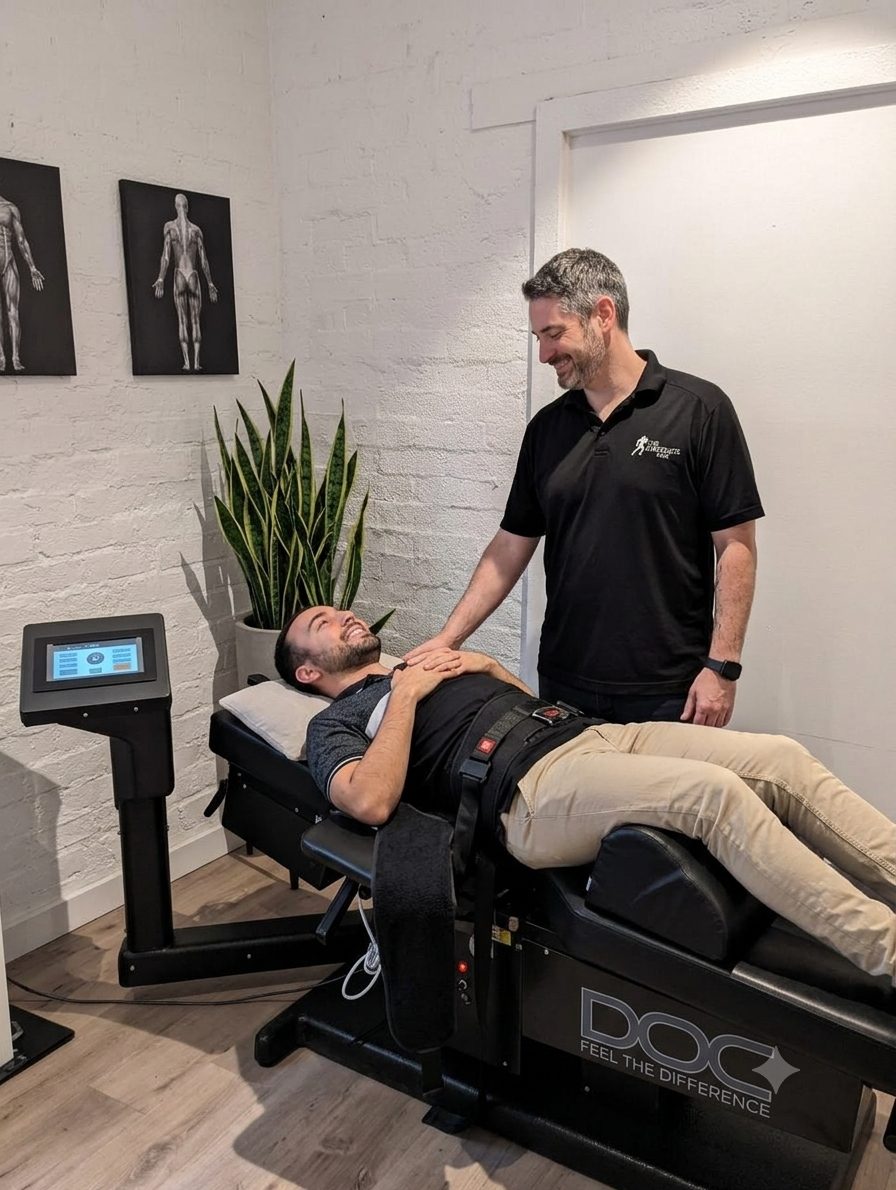
What is spinal decompression?
Under carefully controlled traction, positive pressure in the disc is changed to negative pressure, creating a gentle "suction" that draws fluid, oxygen and nutrients back into the disc.
This creates an environment for discs to heal themselves, which can help with disc bulges, herniations, extrusions and more. During treatment you simply lie on the table for 20–25 minutes while your spine is gently decompressed. It's safe, painless and has helped many patients over the years.
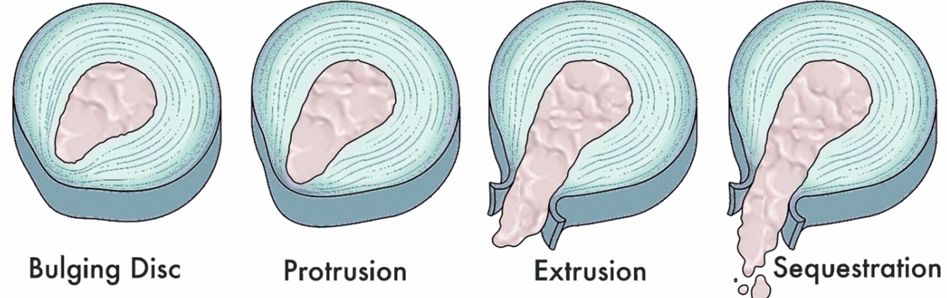
What it can help with
Pain can affect your ability to work, sleep, spend time with family and do the things you love. Non-surgical spinal decompression can help with a number of conditions, including:
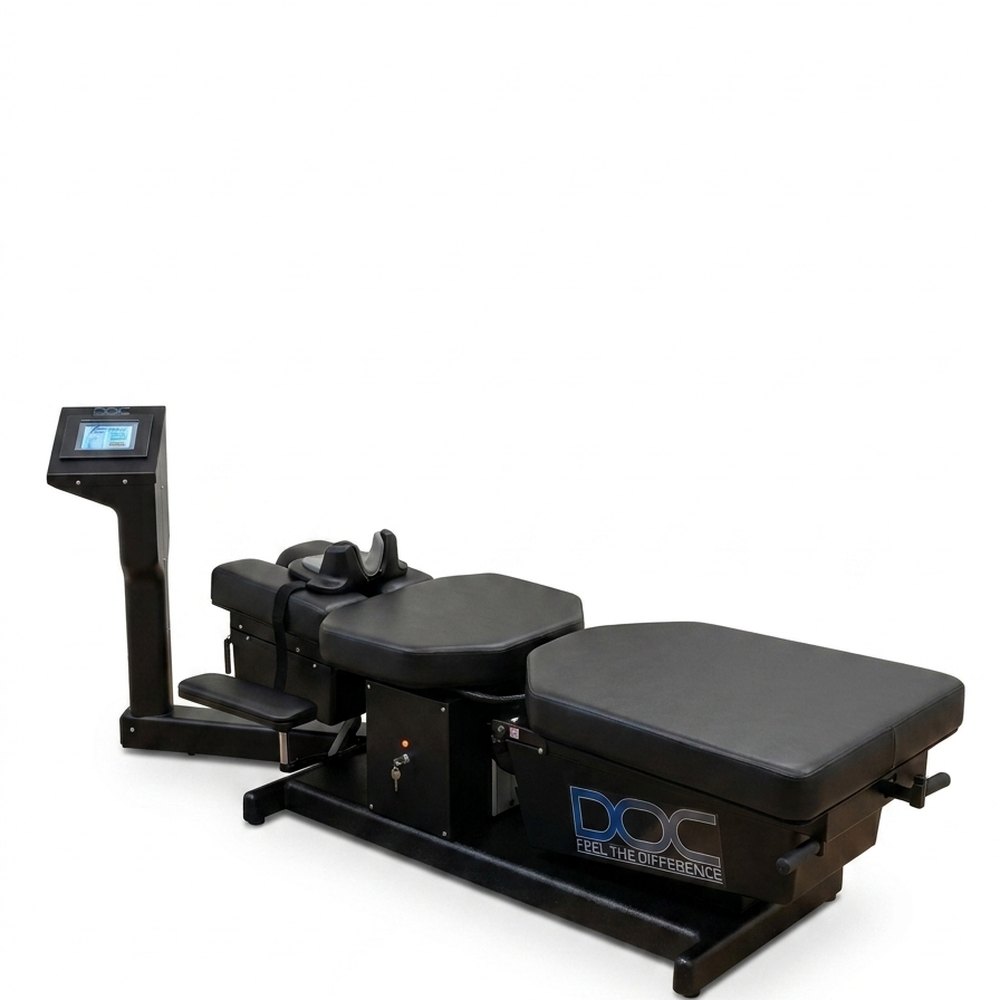
How the DOC table works
At The Chiro Lab we use a highly specialised, computerised DOC Decompression Table. It targets the specific injured disc and delivers treatment with less force than older decompression tables, for greater results and less "decompression hangover" or delayed soreness afterwards.
During treatment you stay fully clothed and lie either face-down or face-up. Comfortable straps and harnesses gently stabilise you, and once you're settled the treatment begins, a painless, gentle stretch-and-relax protocol lasting around 20–25 minutes.
How decompression heals the disc
When a disc is injured, herniated or bulged it can cause significant pain, and if it presses on a nearby nerve, it can trigger arm or leg pain, numbness, tingling or weakness that lingers for years.
Creates space
Decompressing the spine opens space between the vertebrae, allowing the disc to draw back toward its neutral position.
Rehydrates the disc
Negative pressure draws fluid, oxygen and nutrients back in, rehydrating the disc and supporting repair.
Relieves the nerve
Taking pressure off the nerve, boosting circulation and stimulating the body's natural healing response.
What to expect
Intake & imaging
Book in, complete a new-patient form and send any relevant scans or reports.
History & exam
Dr Jeremy takes a thorough history and examines you to diagnose your issue.
Tailored plan
A specific treatment plan is built for your condition and clearly explained.
Begin treatment
If you're a good candidate, treatment can begin at your first visit, often with other modalities too.
Treatments last 20–25 minutes. Some patients feel mild soreness afterward, which a short walk usually settles. You'll leave with any prescribed advice, exercises and a clear plan going forward.
Spinal decompression FAQs
Backed by research
A snapshot of the published research behind non-surgical spinal decompression.
Military Medicine, 2025
A retrospective review found non-surgical spinal decompression to be an effective, conservative treatment for low back pain, addressing pain, neurological deficits and function, and a potential cost-effective alternative to surgery and medication.
JCC, 2025, imaging outcomes
In lumbar disc lesions, decompression showed significant improvement in pain (≈80%), disability (≈50%) and recovery (≈75%), with measurable increases in disc height and canal dimensions.
Mayo Clinic et al., DRX9000
In patients averaging a decade of chronic back pain, a six-week decompression protocol documented an ~88.9% success rate, with a 50% reduction in pain scores after just two weeks.
Orthopedic Technology Review
Across 219 patients, 86% reported immediate resolution of symptoms and 84% remained pain-free 90 days post-treatment, shown effective for herniated and degenerative discs.
Research summaries provided for general information. Individual results vary, your suitability is assessed at your initial consultation.
Let's find out together
Not sure if spinal decompression is for you? Call 0432 298 234 for more information, or book your initial appointment online.